
Summary
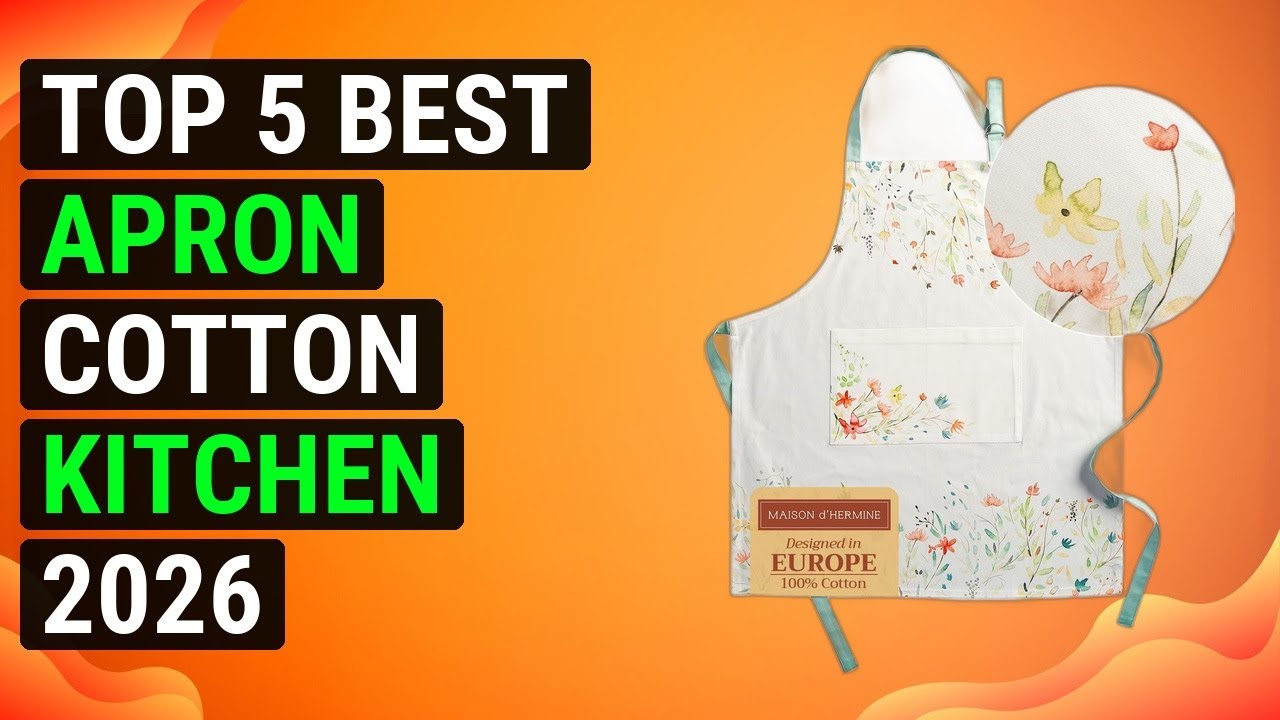
In a recent article by **New York Magazine**, kitchen and dining writer explored the world of aprons, consulting over a dozen professional cooks to curate a list of the **9 best aprons** available. This guide highlights various styles, materials, and functionalities, catering to both amateur cooks and seasoned chefs alike. The emphasis on professional input underscores the importance of practicality and comfort in culinary attire, making this a must-read for cooking enthusiasts looking to enhance their kitchen experience. With the right apron, not only can one protect their clothing, but they can also embrace a sense of style while cooking.
Key Takeaways
- The article identifies the top 9 aprons based on professional chef recommendations.
- It highlights the importance of both functionality and style in kitchen attire.
- The resurgence of home cooking makes this guide timely and relevant.
- Professional insights lend credibility to the recommendations.
- Consumer reactions to these recommendations remain to be seen.
Balanced Perspective
The article presents a straightforward overview of the best aprons based on professional recommendations. It provides a balanced view by featuring a variety of styles and functionalities, ensuring that readers can find an apron that suits their specific needs. The focus on professional cooks adds credibility to the selections, but it remains to be seen how these recommendations will resonate with the average consumer who may have different preferences.
Optimistic View
The best-case scenario from this guide is that it empowers home cooks to invest in quality kitchen gear. With **professional insights**, readers can make informed choices that enhance their cooking experience. The article promotes a culture of cooking at home, which has seen a resurgence, especially post-pandemic, as people seek comfort and creativity in their kitchens. This could lead to a broader appreciation for culinary arts and inspire more individuals to explore their cooking skills.
Critical View
One potential downside is that the article may inadvertently promote consumerism, encouraging readers to purchase new aprons rather than valuing what they already own. Additionally, the emphasis on professional cooks might alienate casual home cooks who may feel that the recommendations do not apply to their more relaxed cooking styles. There's a risk that the article could reinforce elitist notions about cooking gear, making it seem like one needs to invest heavily to enjoy cooking.
Source
Originally reported by New York Magazine